How Kidney Dialysis Affects the Anion Gap
What Is the Anion Gap?
The anion gap is a computed value used to assist interpret electrolytes and recognize certain acid-base disorders. It shows the difference between the major positive and negatively charged particles measured in a standard electrolyte panel. In routine practice, the calculation relies mainly on sodium, chloride, and bicarbonate.
Clinicians use the anion gap to search for hidden acids in the blood. When acids accumulate, the gap often rises, which can signal high anion gap metabolic problems. When the gap is normal, it does not always mean everything is fine; it may still be important in understanding a patient’s acid-base balance and whether there is another kind of disorder present, such as a normal anion gap acidosis.
The clinical significance of the anion gap is that it helps narrow the differential diagnosis during diagnostic evaluation. It is especially useful when reviewing serum electrolytes, because the numbers can uncover patterns that are not obvious from individual values alone. The anion gap formula is straightforward, but its interpretation depends on the full clinical picture, including kidney function, albumin level, and recent treatment history.
In patients with kidney disease, the anion gap is often influenced by metabolic derangement, acid retention, and buildup of unmeasured acids. That is why anion gap interpretation becomes especially significant in people receiving dialysis treatment.
The way an Anion Gap Calculator Works
An Anion Gap Calculator is a practical tool that takes in lab values to estimate the gap rapidly and reliably. Most calculators ask for sodium, chloride, and bicarbonate. Some also include albumin, which is important because low albumin can decrease the measured gap and conceal an elevated acid burden.
The standard idea behind the calculation is simple: sodium is compared with chloride plus bicarbonate. This helps estimate the amount of unmeasured anions in the blood. Because the result can be affected by changes in protein levels and other factors, a calculator is especially useful for lab interpretation when values are shifting after treatment or during acute illness.
Many tools also report a corrected anion gap. This adjusted value is helpful when albumin is low, since hypoalbuminemia can make the uncorrected gap look falsely normal. If albumin is reduced, the measured anion gap may miss the true burden of organic acids or other unmeasured acids.
Using an Anion Gap Calculator can help clinicians interpret lab results in a more organized way. This is useful both before and post-dialysis, when the electrolyte pattern may shift quickly. It can also support recognition of an underlying metabolic problem if the patient’s numbers do not align with the expected response to treatment.
In practice, the calculator is not a substitute for clinical judgment. It is a support tool that works best when paired with the patient’s symptoms, baseline values, and the full electrolyte panel. That combination gives a better picture of fluid and electrolyte balance, acid-base status, and whether additional evaluation is needed.
Reasons Dialysis Dialysis Affects the Anion Gap
Dialysis changes the anion gap because it changes the concentration of acids, buffers, and electrolytes in the blood. Both hemodialysis and peritoneal dialysis are designed to clear out waste products and improve chemical balance, but they do so in different ways. As a result, the gap can drop, stabilize, or sometimes remain elevated depending on the underlying cause of acidosis.
In kidney failure, the body cannot clear many acid-producing compounds effectively. This leads to uremia and accumulation of uremic toxins, both of which contribute to a higher anion gap. Dialysis helps by promoting solute clearance, clearing some acids and restoring buffering capacity. When treatment works as expected, the gap may move closer to normal.
However, the effect is not always complete. Some acids are not fully removed in one treatment session, and some causes of metabolic acidosis are unrelated to uremia. For example, infection, shock, poor tissue oxygenation, or another metabolic problem may continue to generate acids even while the patient is on dialysis.
Dialysis can also alter serum electrolytes in ways that change the measured gap without fully solving the underlying issue. That is why it is important to interpret the number in context, especially when reviewing trends over time rather than relying on a single lab result. The result reflects a combination of disease severity, treatment adequacy, and the patient’s current acid-base state.
What Occurs to the Anion Gap In Hemodialysis?
During hemodialysis, blood flows across a membrane while the dialysate on the other side is carefully prepared to clear wastes and fix electrolyte abnormalities. A key of the key goals is to treat metabolic acidosis by boosting bicarbonate and lowering retained acids.
The bicarbonate bath in hemodialysis is essential to this process. It provides buffer that moves into the blood, raising serum bicarbonate and helping restore acid-base equilibrium. As bicarbonate rises, the anion gap often falls because excess acids are being offset or decreased in concentration. This is particularly apparent in patients whose pre-treatment labs show severe uremia or marked acid retention.
Still, the post-dialysis pattern is not always perfectly normal. The measured gap can improve considerably while remaining mildly elevated if there are ongoing sources of organic acids. In other cases, the gap may appear lower because bicarbonate replacement has temporarily changed the balance of measured ions, even if the underlying illness is not fully resolved.
Hemodialysis may also produce a chloride shift and other electrolyte changes that affect the anion gap calculation. For example, if chloride rises as bicarbonate increases, the gap can look smaller even when the patient still has a complex metabolic problem. This is why baseline values and trend monitoring matter so much in dialysis care.
In practical terms, a falling gap during hemodialysis usually suggests that treatment is improving uremia and associated acid buildup. A persistently high gap after treatment should prompt consideration of other causes, treatment adequacy, and whether the current dialysis prescription is meeting the patient’s needs.
How Peritoneal Dialysis Affects the Anion Gap
Peritoneal dialysis impacts the anion gap with a different pattern from hemodialysis because it relies on the peritoneal membrane as the exchange surface. The solution put in the abdomen contains lactate or another buffer that is absorbed and transformed to bicarbonate, helping support acid-base balance over time.
Because peritoneal dialysis is usually more continuous, the effect on the anion gap may be milder and more gradual. Instead of a sharp before-and-after change, patients often show a slower improvement in acidosis and a more stable pattern in their lab values. This can be helpful for maintaining overall fluid and electrolyte balance, but it also means that trends should be reviewed closely.
The presence of lactate in the dialysate does not necessarily mean the patient has lactic acidosis. In most cases, the lactate is part of the buffer system and is metabolized appropriately. However, if the patient has poor perfusion, sepsis, or another severe metabolic issue, true lactic acidosis can still occur and may elevate the gap despite ongoing dialysis.
Peritoneal dialysis may also be weaker than hemodialysis at rapidly correcting severe acid accumulation in some acute situations. That means a patient can have a ongoing high anion gap if the underlying problem is not fully controlled. The pattern is best understood by reviewing the electrolyte panel, bicarbonate level, symptoms, and whether the patient’s therapy is appropriate for current needs.
When a Raised Anion Gap Remains Elevated After Dialysis
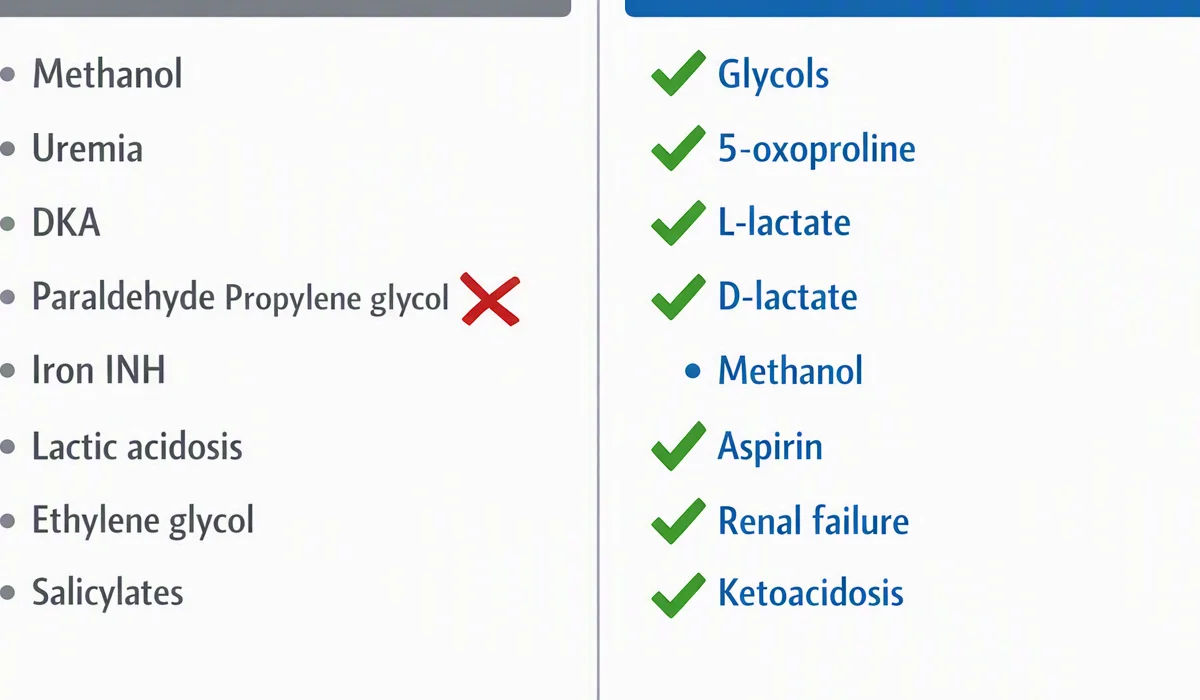
A elevated anion gap after dialysis does not always mean the treatment failed. It may mean that another acid-producing process is still active. The most common possibilities include lactic acidosis, ketoacidosis, ongoing renal failure, or toxic ingestion. Frequently, the issue is not dialysis itself.
Lactic acidosis can occur when tissues are not getting enough oxygen or when severe illness is driving anaerobic metabolism. Ketoacidosis, including diabetic ketoacidosis or starvation-related ketosis, produces organic acids that raise the gap even if dialysis is removing uremic solutes. Toxic ingestion can also cause a major gap elevation and requires urgent diagnostic evaluation. Because of this, the cause must be identified quickly.
Persistent high gap values can also reflect incomplete correction of uremia. If the patient still has significant retained acids or a large burden of uremic toxins, the gap may remain elevated until more dialysis treatment is delivered. This is particularly relevant in advanced renal failure, where acid generation and impaired clearance may continue between sessions. More specifically, the gap may stay abnormal despite treatment.
Another common reason is that the problem is not purely a high-gap disorder. A patient may have a mixed anion gap differential diagnosis picture, with both high-gap acidosis and a normal anion gap component. This can happen when bicarbonate losses, chloride changes, or other electrolyte shifts coexist with an organic acid process. In that setting, the anion gap calculator helps quantify the dominant pattern, but clinical interpretation must go further. A full assessment is still needed.
When the gap stays high, it is important to review dialysis adequacy, fluid status, oxygenation, medications, and the full electrolyte panel. The number alone cannot determine the cause. anion gap in chronic kidney disease It is a clue that should trigger a broader assessment of metabolic derangement and ongoing acid production. This finding should guide the next steps.
Albumin Correction & Interpretation Pitfalls
Albumin has a key role in anion gap interpretation because it is one of the main unmeasured anions in blood. When albumin is low, the measured gap can look lower than anticipated. This is why albumin correction is often necessary, especially in patients receiving dialysis who commonly have hypoalbuminemia.
A corrected anion gap can expose missed acid buildup that a standard calculation might miss. If a dialysis patient has a seemingly normal gap but low albumin, the corrected value may uncover a clinically meaningful high anion gap state. This matters because treatment decisions often depend on whether the patient truly has ongoing acid buildup.
One major pitfall is assuming that a normal anion gap rules out a significant problem. That is not true. In patients with low albumin, the apparent normal result can be misleading. Another pitfall is interpreting the value without considering the timing of dialysis, because post-dialysis labs may reflect temporary correction rather than stable equilibrium.
Clinical interpretation should also include the possibility of mixed disorders. A patient with renal failure, infection, and poor nutrition may have several overlapping issues that shift the numbers in different directions. In that setting, the corrected anion gap, bicarbonate level, and overall acid-base balance are more informative than any single value.
For best results, use the Anion Gap Calculator with a clear understanding of the patient’s baseline values and current condition. That approach helps interpret labs more accurately and reduces the risk of missing a serious metabolic problem.
FAQ: Dialysis and Anion Gap Questions
Can dialysis reduce the anion gap?
Generally, dialysis often lowers the anion gap by clearing acids and restoring bicarbonate levels. This is especially true during effective hemodialysis, where solute removal and the bicarbonate bath help improve metabolic acidosis. The degree of change depends on the cause of acidosis, treatment adequacy, and the patient’s overall condition.
Why can the anion gap stay high after dialysis?
The gap can stay high if another acid source is still ongoing, such as lactic acidosis, ketoacidosis, or toxic ingestion. It can also remain elevated if there is ongoing renal failure with incomplete removal of uremic toxins. In some cases, low albumin or mixed acid-base disorders confound the picture.
Is it necessary to albumin be corrected when using an anion gap calculator?
Definitely, when albumin is low, albumin correction is very important. Hypoalbuminemia can hide a true high anion gap, making the measured result look deceptively normal. A corrected calculation provides a more accurate view of acid-base status and supports clinical interpretation.
Should we expect a normal anion gap expected after hemodialysis?
A normal anion gap is often expected after successful hemodialysis, but it is not guaranteed. The result depends on the patient’s baseline values, the severity of uremia, and whether there are other causes of metabolic acidosis. A normal result is reassuring, but it should still be interpreted alongside symptoms and the full electrolyte panel.
Which other conditions can cause a high anion gap in dialysis patients?
Besides kidney-related acid retention, common causes include lactic acidosis, ketoacidosis, and toxic ingestion. These conditions may occur independently of dialysis and can raise the gap even when treatment is effective. Reviewing lab values, clinical status, and the overall acid-base balance is necessary for accurate diagnosis.