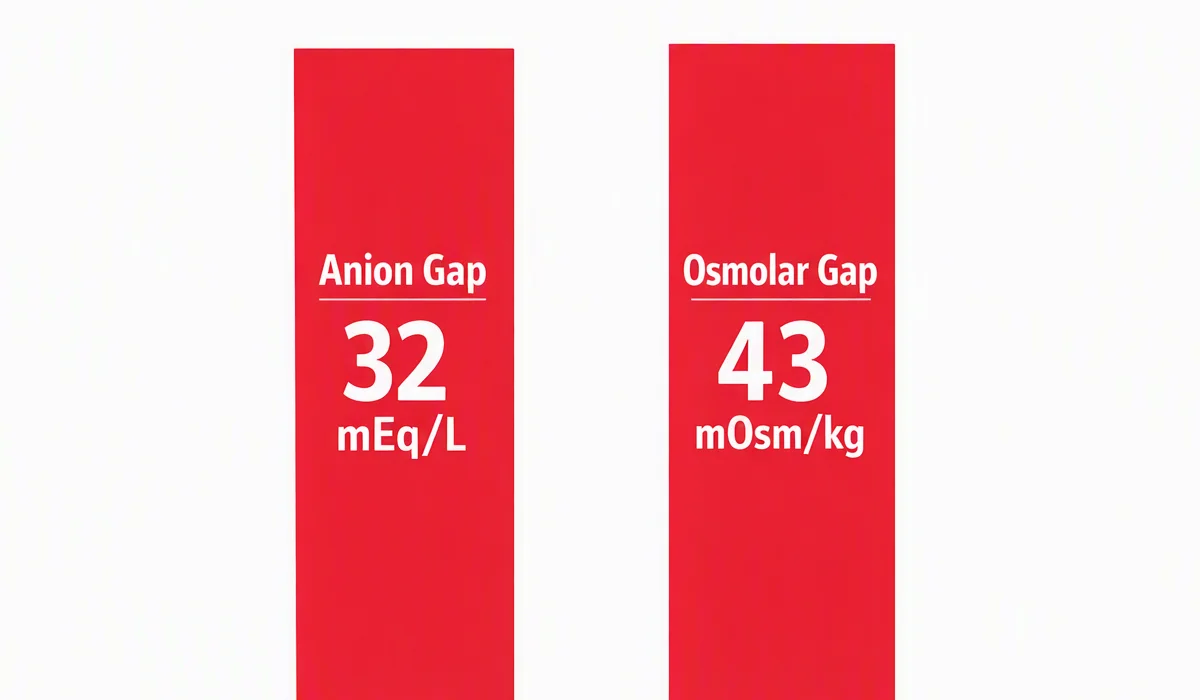
Anion Gap Calculator When Chloride Is Low
What the Anion Gap Assesses
This anion gap is a derived value used to help interpret electrolytes and general acid-base status. It is usually derived from the main results on a serum chemistry panel: sodium, chloride, and bicarbonate. Because it reflects the difference between measured positive and negative ions, it can provide an important diagnostic clue when a lab result does not fit the expected pattern.
Clinically, the anion gap is most valuable when you are trying to understand whether a metabolic disorder is present and whether the body is experiencing an acid gain, acid loss, or a shift in buffer systems. Since chloride and bicarbonate move in opposite directions in many settings, changes in serum chloride can strongly affect the calculated result. That is why an anion gap calculator becomes especially helpful when chloride is low.
In plain language, the calculator helps explain how the body’s charged particles are balanced. A change in serum sodium, serum chloride, or serum bicarbonate can change the calculated value and shift the interpretation toward metabolic acidosis, metabolic alkalosis, or a normal reference range pattern. The result is not a diagnosis by itself, but it adds important context to lab interpretation.
How to Operate an Anion Gap Calculator
When using an anion gap calculator, you typically input the values from routine blood work: sodium, chloride, and bicarbonate. They are the core lab values needed for the calculation. The tool then calculates the difference between measured cations and measured anions so you can see whether the result suggests a normal anion gap, high anion gap, or low anion gap.
The standard equation is:
Anion gap = sodium − (chloride + bicarbonate)
Certain calculators also allow adjustment for albumin, because albumin is a major unmeasured anion. When albumin is low, the apparent gap may be smaller than expected, so the tool may provide a corrected anion gap. That correction increases clinical significance when interpreting a laboratory result in the setting of abnormal protein levels.
If chloride is low, the calculation can be especially sensitive to small changes in bicarbonate. For example, a low chloride result may coexist with elevated bicarbonate, which can point toward metabolic alkalosis. In other situations, the same low chloride may appear alongside a widened gap, suggesting a more complex acid-base disorder. Good lab interpretation depends on reviewing the whole panel, not a single number.
For the most accurate reading, compare the calculated result with the lab’s listed reference range and consider the clinical context. The calculator is especially useful when interpreted with the rest of the electrolyte balance, including symptoms and the broader medical picture.
Why lower chloride levels Alters the Anion Gap
Chloride loss affects the anion gap because chloride is a single the main measured ions in the equation. If chloride drops, the calculation may go up unless bicarbonate also rises enough to offset it. This explains why low chloride often guides the clinician toward a pattern rather than a single diagnosis. The relationship between chloride and bicarbonate is central to acid-base balance.
One most frequent reasons for low chloride is a metabolic alkalosis pattern. In this situation, the body has often lost acid or retained base, and chloride depletion may be part of the process. Vomiting is a classic example because stomach fluid contains acid and chloride. When https://blogfreely.net/paxtunnslm/could-high-lipid-levels-impact-the-anion-gap repeated vomiting occurs, the body loses chloride-rich fluid, and the remaining chemistry may show a elevated bicarbonate level and altered anion gap interpretation.
Water pills are another frequent cause. They can promote salt and water loss, affecting sodium, chloride, and bicarbonate in a way that changes the anion gap. This is particularly important when a person has fluid loss, because volume depletion can intensify the electrolyte disturbance and make the test result more striking.
Low chloride can also appear in more complex states involving renal handling of salts and acid-base regulation. In those cases, the anion gap calculator does not just identify an abnormal number; it helps reveal the possible direction of the underlying metabolic imbalance.
Typical, Elevated, and Low Anion Gap Values
The expected range for anion gap can vary a little by laboratory method and whether potassium is counted in the equation. Overall, many labs view a modest gap within the normal range, but interpretation always depends on the local method and the patient’s full clinical picture. A calculator should therefore be used as a tool for lab interpretation, not as a standalone answer.
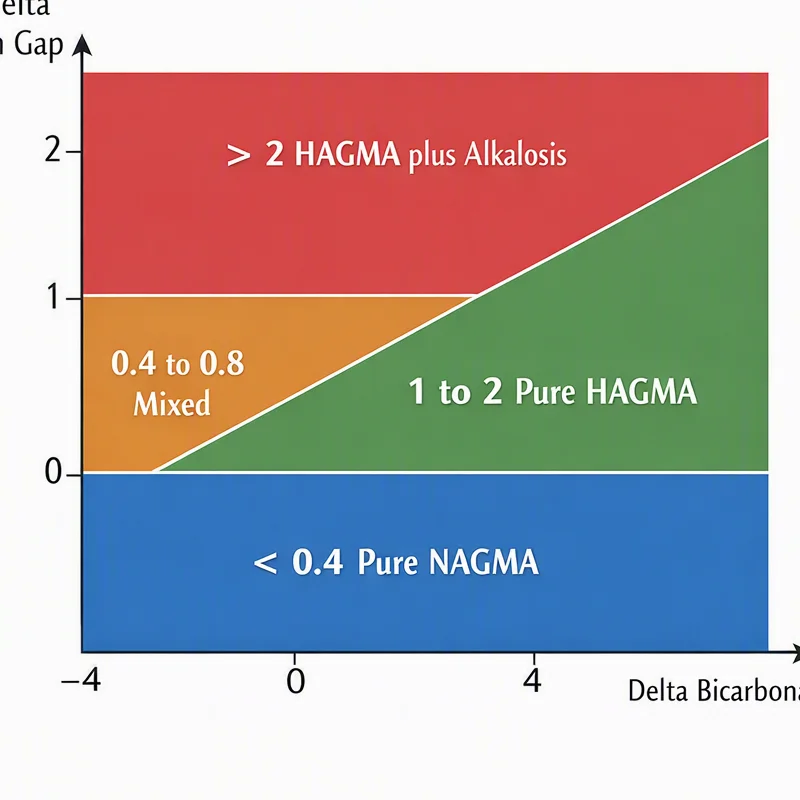
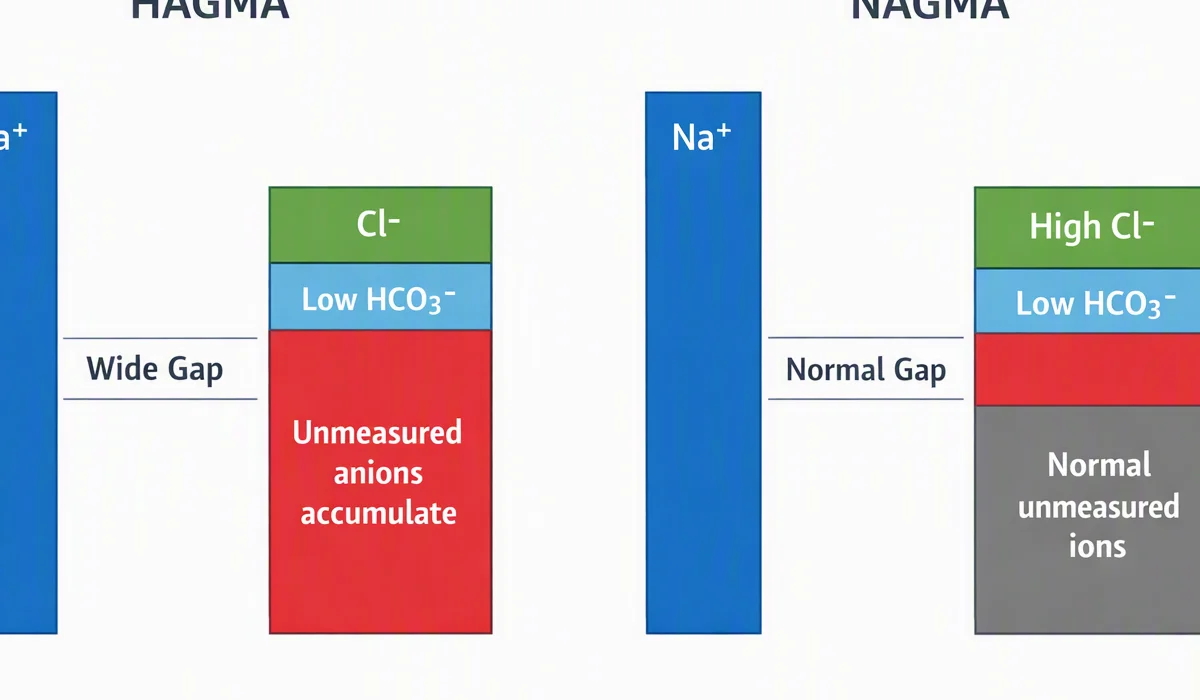
A increased anion gap usually suggests that unmeasured acids are present, which often points toward metabolic acidosis. Typical causes include lactic acidosis, ketoacidosis, and some toxin exposures. Even if chloride is low, a high gap can still occur if bicarbonate falls enough or if another process is adding acid to the blood. This is why looking only at chloride may miss the broader clinical significance.
A reduced anion gap is less common but still important. One key reason is low albumin, because albumin contributes negative charge to the calculation. When albumin falls, the gap can look artificially reduced even if there is no major acid-base problem. That is why albumin correction matters.
A expected anion gap does not always mean normal health. Some disorders, including certain forms of metabolic acidosis, can leave the gap in the reference range while changing chloride and bicarbonate in opposite directions. In that case, the calculator may show a normal number even though there is still a meaningful electrolyte disturbance. This is one reason the anion gap is best used as part of broader fluid and electrolyte balance assessment.
Typical Causes of Decreased Chloride with A Changed Anion Gap
When low chloride appears in combination with an abnormal anion gap, the diagnostic list often includes gastrointestinal loss, renal disease, volume depletion, and other types of acid-base imbalance. The specific pattern matters because the body may be losing chloride, retaining bicarbonate, or adapting to a primary acid problem.
Digestive loss is a key category. Ongoing vomiting removes hydrochloric acid from the stomach, leading to chloride depletion and often metabolic alkalosis. The result may be low serum chloride with an altered calculated gap. Diarrhea can also disturb the electrolyte balance, although it more often causes bicarbonate loss and may lead to a different acid-base pattern.
Renal disease can contribute by impairing normal electrolyte handling and acid excretion. Depending on the type and stage of renal dysfunction, chloride may be abnormal, bicarbonate may fall, and the calculated value may shift toward metabolic acidosis or mixed disorders. This is why renal function is important when interpreting a chemistry panel.
Volume depletion may concentrate some lab values while also triggering hormonal responses that alter sodium and chloride handling. In some cases, the chemistry pattern reflects not just water loss but a broader disruption in electrolyte regulation. An anion gap calculator can help identify whether the pattern is consistent with volume contraction alone or suggests a deeper metabolic issue.
These causes may coexist. For example, vomiting plus diuretic use can produce low chloride and elevated bicarbonate, while kidney disease can make the picture more complex. Careful clinical reasoning is essential because the same laboratory pattern can reflect different underlying mechanisms.
In What Way Albumin Alters Anion Gap Interpretation
Albumin has a major role in anion gap interpretation because it is one of the largest unmeasured anions in blood. When albumin is low, the measured anion gap may seem lower than it truly is. This is especially important in patients with hypoalbuminemia, where the apparent gap may hide an acid-base problem.
Albumin correction adjusts the result to more closely reflect the real acid burden. A corrected calculation can reveal a hidden high anion gap in someone whose raw number seems normal or low. This matters because a low measured gap may simply be a result of reduced protein levels rather than an isolated electrolyte issue.
Conditions associated with low albumin include liver disease, malnutrition, inflammation, and protein loss states. In liver disease, the body may synthesize less albumin, changing the charge balance that influences the calculator output. In those cases, the anion gap calculator should ideally be interpreted with correction rather than relying only on the unadjusted number.
Albumin also affects the way clinicians think about a laboratory result. A low number may be a hint to the underlying disease process, while the corrected number can provide better insight into whether a true metabolic acidosis is present. This is a useful example of why lab interpretation should consider both chemistry and protein status.
When a Low Chloride Result Requires Medical Review
A low chloride result does not always require urgent action, but it should be evaluated when it appears with signs, a changing clinical picture, or a clearly abnormal anion gap. The need for clinical evaluation grows if the person has weakness, confusion, shortness of breath, persistent vomiting, marked fluid loss, or signs of severe electrolyte imbalance.
A blood gas can be especially helpful when the chemistry panel suggests an acid-base problem. Blood gas testing offers direct information about pH and carbon dioxide, which helps identify whether the body is acidemic or alkalemic. This can clarify whether the low chloride is part of metabolic alkalosis, metabolic acidosis, or a mixed disorder.
Medical review is also important if chloride is low and the anion gap is unexpectedly high or low. That combination may indicate a more complicated condition than simple dehydration or vomiting. It may also suggest the need to repeat testing, review medication use, or evaluate renal function and albumin.
In short, a low chloride result becomes more clinically relevant when it appears alongside symptoms, abnormal serum chemistry panel findings, or a mismatch between the calculated gap and the suspected diagnosis. The calculator helps flag that mismatch, but clinical judgment determines the next step.
Example Calculations and Analysis
Sample calculation can make the process easier. Imagine an electrolyte panel shows sodium 140, chloride 92, and bicarbonate 32. Using the standard formula, the anion gap is 140 − (92 + 32) = 16. Depending on the lab’s reference range, this may be mildly elevated or high-normal. Because chloride is low and bicarbonate is high, the pattern may suggest metabolic alkalosis, possibly from vomiting or diuretic use.
Next consider another electrolyte panel: sodium 138, chloride 95, bicarbonate 20. The anion gap is 138 − (95 + 20) = 23. This is a high anion gap pattern. Even though chloride is low, the main issue here is the unexpectedly high gap, which can be a clue to a concurrent acid load. In that situation, the low chloride does not explain everything, and the broader lab picture matters.
For a third example, sodium 136, chloride 101, bicarbonate 28 gives a gap of 7. This could be a low anion gap depending on the lab’s normal range. If albumin is low, the result may be explained by hypoalbuminemia. If albumin is normal, the clinician may look for other causes of low gap or lab artifact. This is where clinical reasoning is especially important.
These examples show that the calculator is not just about arithmetic. It is a tool for laboratory interpretation, helping connect numbers to likely physiologic patterns. The best interpretation considers chloride, bicarbonate, sodium, albumin, symptoms, and the possibility of mixed disorders.
FAQ About Anion Gap and Low Chloride
What does an anion gap calculator tell you when chloride is low?
An anion gap calculator shows how the measured sodium, chloride, and bicarbonate fit together when chloride is low. It helps identify whether the result points toward metabolic alkalosis, metabolic acidosis, a normal anion gap pattern, or a mixed disorder. The calculator does not diagnose a disease, but it provides a useful diagnostic clue for lab interpretation.
Can low chloride cause a high anion gap?
Low chloride can play a role in a increased calculated value, but it does not always mean there is a high anion gap disorder. The result depends on the complete balance of sodium and bicarbonate as well. A person with low chloride and elevated bicarbonate may have metabolic alkalosis, while low chloride with decreasing bicarbonate may suggest another acid-base disorder. The overall situation matters more than chloride alone.
What is the normal anion gap range?
The normal range differs by laboratory method and whether the formula includes potassium. Many labs use a small reference range for the calculated value, but the exact cutoff depends on the specific assay. Because of this variation, it is best to compare the number from the serum chemistry panel with the lab’s stated reference range rather than relying on a one number.
How does low albumin affect the anion gap?
Low albumin lowers the measured gap because albumin normally contributes negative charge. In hypoalbuminemia, the gap may look incorrectly low or normal even when there is a real acid problem. That is why albumin correction is often used. The corrected result can reveal a underlying high anion gap and improve the accuracy of lab interpretation.
When should low chloride and an abnormal anion gap be evaluated by a clinician?
Low chloride and an abnormal anion gap should be reviewed when there are alarming symptoms, a concerning blood gas, signs of significant electrolyte imbalance, or known conditions such as kidney disease, persistent vomiting, dehydration, or heavy diuretic use. A clinician can assess whether the pattern reflects gastrointestinal loss, renal dysfunction, or another metabolic disorder and decide whether further medical testing is needed.